
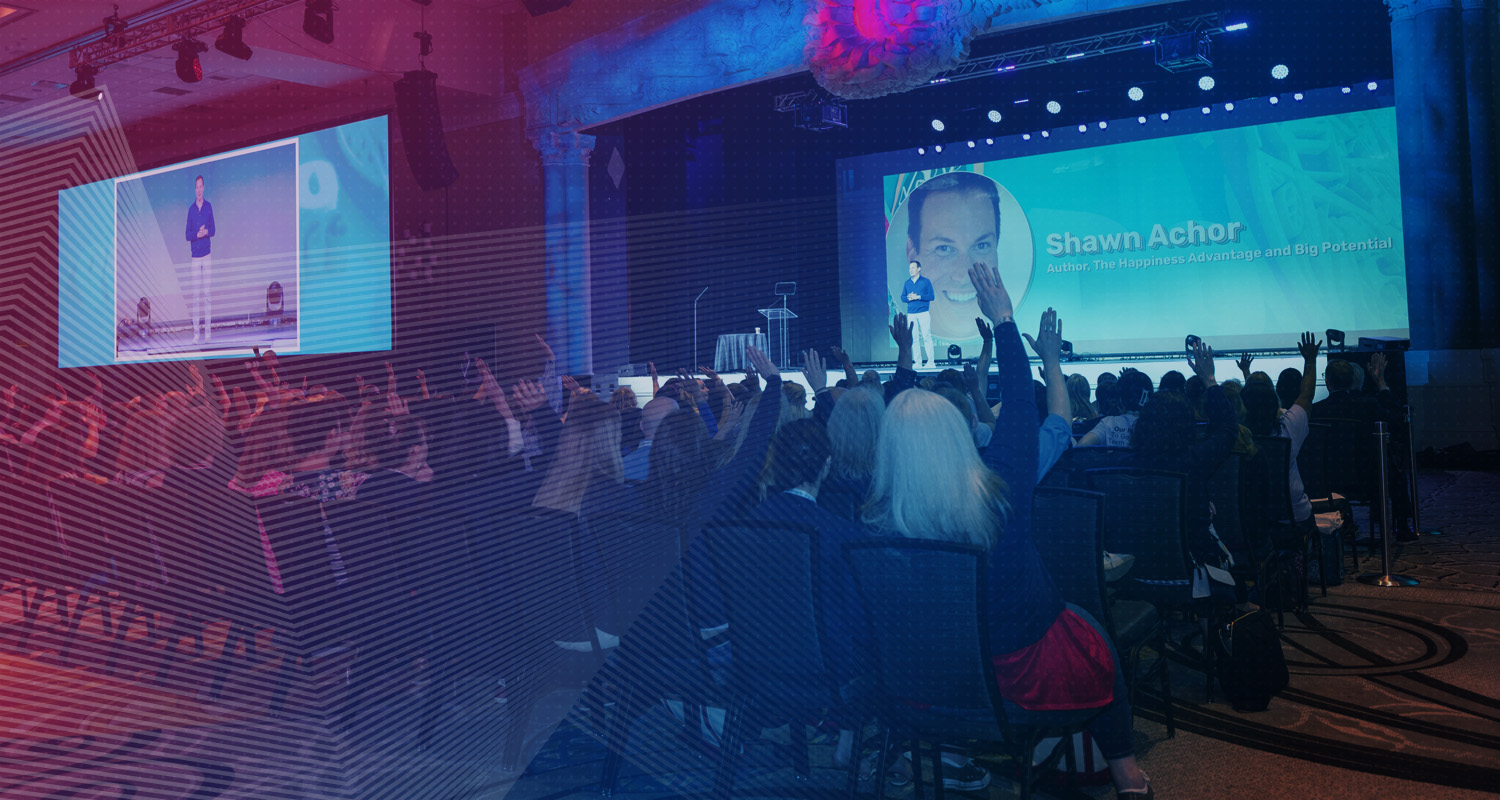
When your audience walks into your event’s plenary session, expectations are high. That opening gathering is an opportunity to harness the hopeful energy surrounding the beginning of a conference to set the tone for not just the event, but the entire year. It’s a chance to connect, align priorities, and get your message across to your audience – many of whom have traveled to be in that room.
2024 World Conference on Lung Cancer
It’s an opportunity organizations can’t afford to waste; a memorable general session is one of the most important parts of any meeting. The good news is that with the right formula you can turn that opening moment into something energizing that everyone in the room carries with them long after the lights go down.
Breaking Down the Formula
So what does that formula look like? While every organization is different, we have identified a few consistent elements that the most effective general sessions share. They guide the audience, create momentum, and deliver information in a way that feels purposeful and connected. When these pieces come together, the entire experience feels less like a series of announcements and agenda items… and more like a well-orchestrated show:
1. Set the Scene
What the attendee walks into is as important as the content. This is their first impression and your opportunity to set the stage. Walk-in music, lighting, an entrance treatment and graphics can all play a part in creating the right atmosphere to tee up the content and messaging to come.
2024 American Academy of Pediatrics National Conference & Exhibition
2. An opening moment that sets the tone
Think about your favorite book or movie. Odds are, it has a compelling opening scene that makes you want to continue the story. For the same reason that social media posts often start with a dramatic cliff-hanger or “hot take,” the opener of your general session should be something that draws the audience in and builds excitement for what’s to come.
Plan something that gets the audience’s attention, but make it intentional. A detailed financial overview is important, but not the kind of start that energizes a room. A performance that is unrelated to the subject matter is fun, but not meaningful. Find the middle. Some successful examples we have seen are inspirational opening videos, live performances, interactive games, and presentations that surround the audience. This should feel like a show by utilizing lighting, sound and video to stimulate all senses.
3. A professional emcee to create continuity
It can be tempting to simplify and streamline with a planning member or association president. In some cases this works, but an experienced emcee can do a lot to keep the pace of the general session moving and create continuity for the audience.
A strong emcee sets expectations, keeps logistics brief, entertains, and maintains momentum throughout the program. Importantly, they can keep coming back to the meeting’s theme to reinforce messaging and remind everyone why they’re there.
4. A concise leadership address
Leadership messages are important, but they work best when they’re focused and intentional. Long addresses or extended state-of-the-union updates can cause the room to lose energy, even when the content is meaningful.
A shorter address (25 minutes or less) should come right after the introductions, keep attention, and highlight what matters most to members that year. It should speak directly to the audience’s priorities, offer clear takeaways, and avoid getting weighed down by lengthy acknowledgments or procedural details.
When possible, it’s important to coordinate with your internal communications team to ensure the materials used during the address – e.g., graphics, slideshow, video – are intentionally designed to feel like part of the session. With all the time and effort put into designing an exceptional experience, you don’t want the leadership address to feel less produced than the other elements.
5. One high-impact keynote
The most effective keynote speakers are both relevant and entertaining. They deliver a clear, meaningful message while keeping the room fully engaged, often blending humor, storytelling, and insight in a way that makes complex topics feel accessible. A focused, well-timed keynote (around 30 minutes) can anchor the entire program and leave attendees talking long after the session ends.
Look for professionals who are relevant to your audience, but don’t be afraid to book someone with a fresh way of looking at things. Social media influencers in the field or well-known authors can be good choices.
6. A brief, purposeful close
The most effective closings are quick and intentional. A short, two-minute wrap-up from the emcee is often all that’s needed to guide the audience to what comes next, whether that’s a book signing, breakout sessions, or a visit to the exhibit hall. Keeping the close simple helps preserve the show-like feel of the program.
Avoid long acknowledgments, additional speeches, and award presentations. Those belong elsewhere in the program. You want your general session to end on a clear, polished note that keeps the energy high as attendees move into the rest of the day – and event.
Balancing tradition with evolving expectations
2021 American Geophysical Union Annual Meeting
Most associations have meaningful traditions in their general sessions, and these pieces still matter. But audiences today are shaped by the experience economy. People judge an event by how it feels, not just by what it communicates. Think about how you choose a restaurant. A good meal is important, but many of us also want an atmosphere or experience that feels worth the time and effort. Conference attendees think the same way. If they spend ninety minutes in a ballroom, they expect those minutes to feel relevant and intentional.
This is why balance is so important. When done right, the formula described here supports both. When organizations design with purpose and think about how each moment feels to the audience, the general session becomes a stronger and more memorable experience.